Top Companies Hiring Automation Engineers
Our Students Placed In
TECHNOLOGICS has placement partnerships with leading companies across automation, manufacturing, and process industries.
Siemens
Automation Engineers, PLC Programmers, Control System Specialists
Rockwell Automation
ControlLogix Engineers, PlantPAx Specialists, Motion Control Experts
ABB
DCS Engineers, 800xA System Specialists, Robotics Integrators
Emerson
DeltaV Engineers, Ovation System Developers, Process Automation
Honeywell
Experion Engineers, C300 Specialists, Safety System Designers
Schneider Electric
EcoStruxure Engineers, Modicon Programmers, Triconex Specialists
Yokogawa
Centum VP Engineers, ProSafe-RS Specialists, Field Instrumentation
GE Digital
Mark VIe Engineers, Proficy Specialists, Historian Developers
Industries Hiring PLC Programmers
Where Our Students Work
PLC programming skills are in demand across diverse industrial sectors with excellent growth potential.
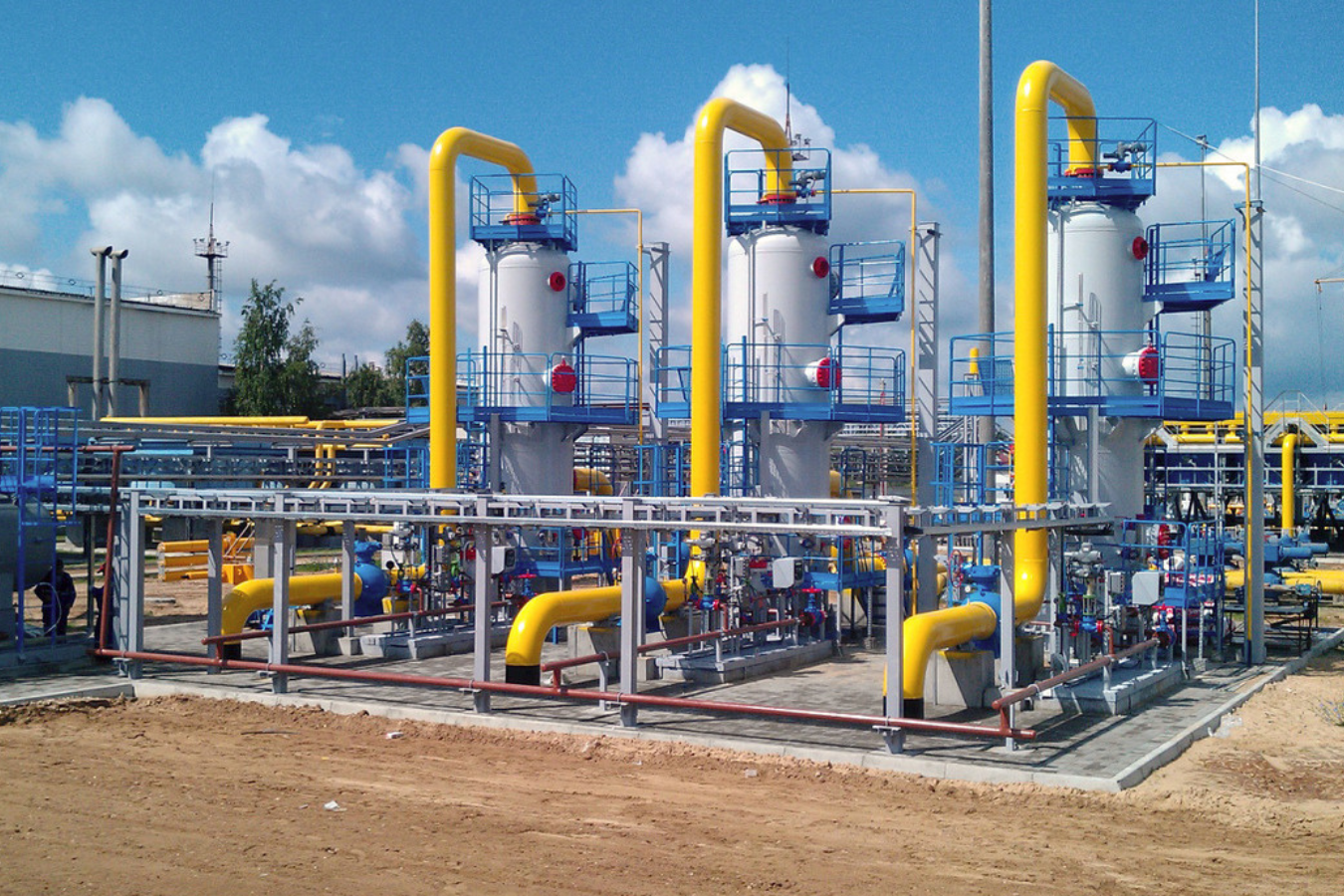
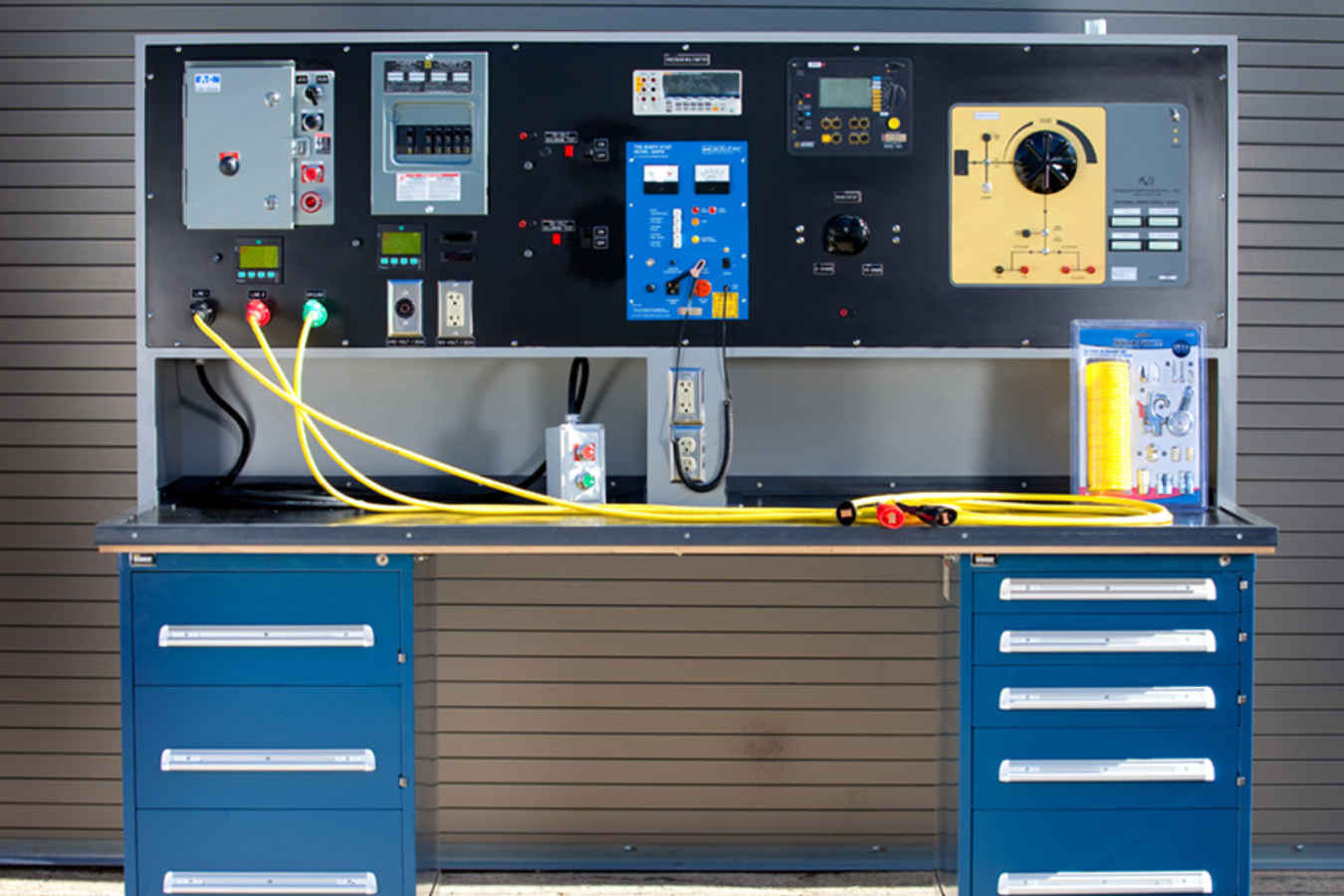
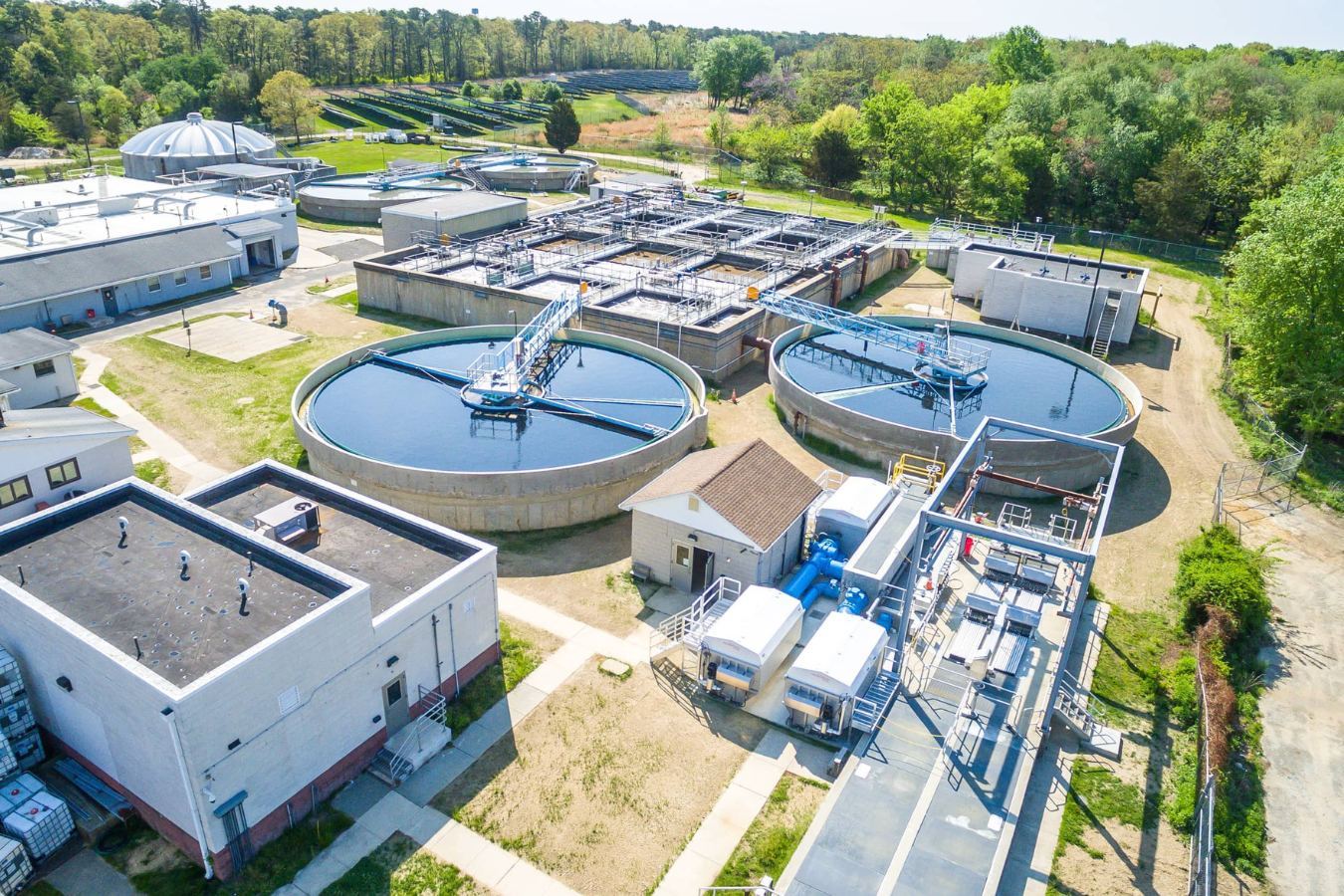
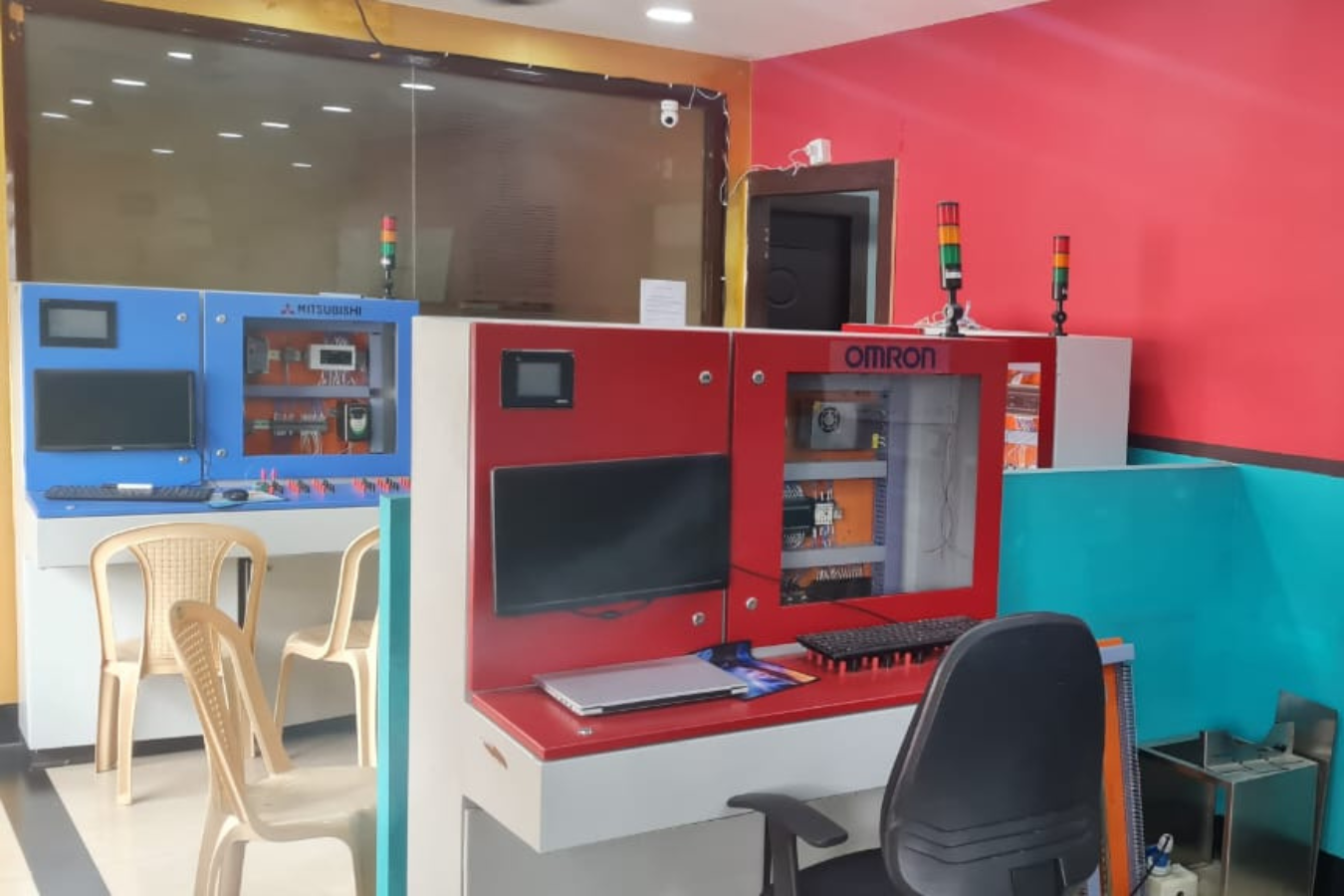

Industrial Automation Job Roles
Career Paths in Industrial Automation
Automation expertise opens doors to various technical and leadership roles with excellent career progression.
PLC Programmer
Entry-level role focusing on ladder logic, function block, and structured text programming
DCS Engineer
Designing and implementing distributed control systems for process industries
Control System Engineer
Developing PID loops, advanced control strategies, and system integration
Instrumentation Engineer
Specifying, installing and maintaining field instruments and control valves
Robotics Integrator
Programming and integrating industrial robots with automation systems
Automation Project Manager
Leading large-scale automation implementation projects
MES Engineer
Implementing Manufacturing Execution Systems between PLC and ERP layers
IIoT Engineer
Bridging traditional automation with Industrial Internet of Things
Automation Engineer Salary Ranges
Industry Standard Compensation
Salaries vary based on experience, platform expertise, and industry (figures in LPA - Lakhs Per Annum)
| Experience Level | Small/Medium Companies | Large MNCs | Overseas Opportunities |
|---|---|---|---|
| Freshers (0-1 year) | ₹3.5 - 5.5 LPA | ₹5 - 8 LPA | $40,000 - $60,000 |
| Junior (1-3 years) | ₹5 - 9 LPA | ₹8 - 14 LPA | $60,000 - $85,000 |
| Mid-Level (3-5 years) | ₹9 - 14 LPA | ₹14 - 20 LPA | $85,000 - $120,000 |
| Senior (5+ years) | ₹14 - 25 LPA | ₹20 - 35 LPA | $120,000 - $200,000 |
Note: Salaries can vary based on additional skills like specific PLC platforms (Siemens, Rockwell, Schneider), DCS systems (DeltaV, Experion), programming certifications, and industry experience. Professionals with robotics or IIoT expertise command premium salaries.
Automation Career FAQs
Common Questions About Automation Engineer Careers
Most positions require at least a diploma or degree in Electrical/Electronics/Instrumentation Engineering or related fields. Our Industrial Automation certification program provides the specialized training needed for these roles. Key skills include knowledge of PLC/DCS systems, industrial networks, instrumentation, and control system design.
The most sought-after skills are for Siemens SIMATIC, Rockwell ControlLogix, ABB 800xA, Emerson DeltaV, and Honeywell Experion systems. In manufacturing, Siemens and Rockwell dominate, while process industries prefer Emerson, Honeywell and Yokogawa systems. Professionals with multiple platform expertise have the best opportunities.
PLC programming typically focuses on discrete manufacturing applications with ladder logic, while DCS engineering deals with continuous process control using function blocks. PLCs excel at high-speed discrete control, while DCS systems handle complex analog processes. Our training covers both PLC and DCS skills for complete career flexibility.
Typical career progression: Automation Engineer → Senior Control System Engineer → Automation Manager → Plant Operations Director. Many professionals specialize further in areas like robotics, IIoT, or move into related fields like digital transformation. With 10+ years experience, top automation professionals can earn ₹30-50 LPA or more, especially with international exposure.
Ready to Launch Your Automation Engineering Career?
Our next batch starts soon with 100% placement support. Limited seats available!
Apply NowOur Industrial Automation Training Programs
Comprehensive Courses for Industry Readiness
We offer specialized training programs designed to make you job-ready for top automation companies:
Basic PLC Programming
2 months | Siemens/Rockwell Basics with 1 Project | ₹15k - ₹30k
Advanced Automation
3 months | PLC, SCADA, DCS with 3 Projects | ₹25k - ₹40k
PG Diploma in Industrial Automation
4 months | Complete Automation Training with 5 Projects | ₹35k - ₹50k
DCS Specialization
1 month | DeltaV, Experion, 800xA Training | ₹20k - ₹30k
Placement Guarantee: All our 3-month and longer programs come with 100% placement assurance. We provide specialized automation interview preparation, portfolio development, and direct company referrals.